

Italy has been a leader in leather processing for centuries. Leather goods were already being produced in Florence’s Santa Croce district in the Middle Ages — an ancient tradition that continues in Tuscany today thanks to internationally renowned companies, workshops, and luxury brands. But Florence and the surrounding Tuscan areas are not unique in this regard. The Veneto leather district is another outstanding example of Italian excellence in the sector, as is the tanning hub of Solofra in Campania.
Italy remains a global leader in high‑quality leather goods, and despite some challenges, this sector — so deeply rooted in Italian identity — continues to drive exports and provide employment for tens of thousands of workers.
Alongside the leather‑processing industry, there is a vibrant network of exceptionally dynamic and skilled manufacturers of machinery for leather goods, tanning, and footwear. This ecosystem includes more than 200 specialized companies that generate nearly €400 million in annual exports and offer significant career opportunities for young engineers, programmers, and other professionals.
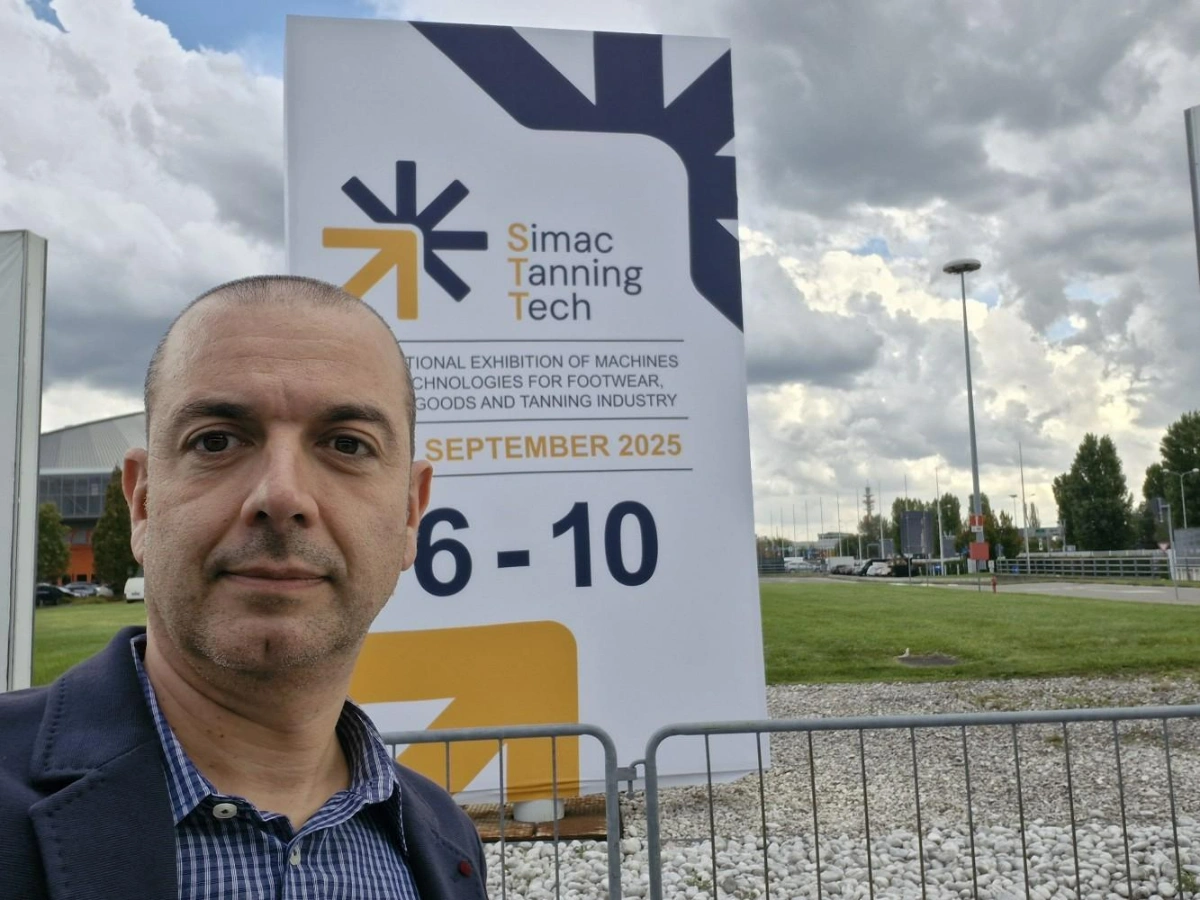
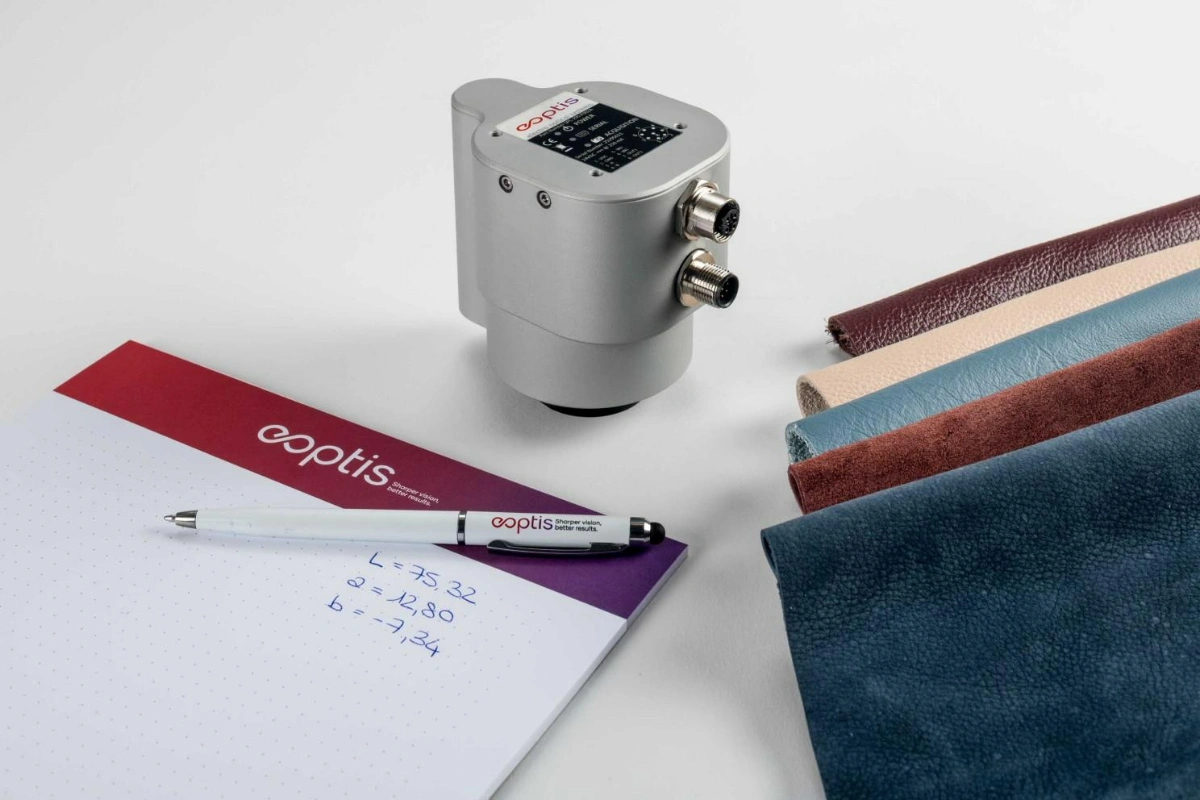
The 51st edition of Simac Tanning Tech, held last week in Milan, was a clear demonstration of the vitality of this manufacturing sector, with more than 7,000 visitors in attendance. Among them was Luca Clementel, representing Eoptis — a tech company that has been providing cutting-edge products and solutions to manufacturers of tanning, footwear, and leather-goods machinery for years. These include its CLM-194 and CLM-196 colorimeters for laboratory-based qualitative analysis, as well as its in-line, industrial-grade colorimeters for process control, such as the SPC-295.
According to Clementel, the Italian leather industry is undeniably going through a particularly complex period. Yet it is equally clear that the machinery‑manufacturing sector is rich in innovation, expertise, and vision — and has the potential to inject new momentum into Italian leather production.
At Simac Tanning Tech, there was a palpable sense of determination, energy, and even cautious optimism, along with strong attention to the major technological trends — starting with AI integrated into machines for automatic inspection, selection, and marking of hides. These cutting‑edge solutions combine advanced optical technologies to improve process efficiency and elevate product quality, with a particular focus on sustainability in leather processing.
Technological innovation, as highlighted in conversations with customers and colleagues at the trade show, is seen as one of the key drivers of competitiveness in an increasingly dynamic landscape. Cutting-edge technology can truly act as a powerful catalyst for Italian creativity, and the leather industry continues to hold enormous potential, despite the challenges.
.