.
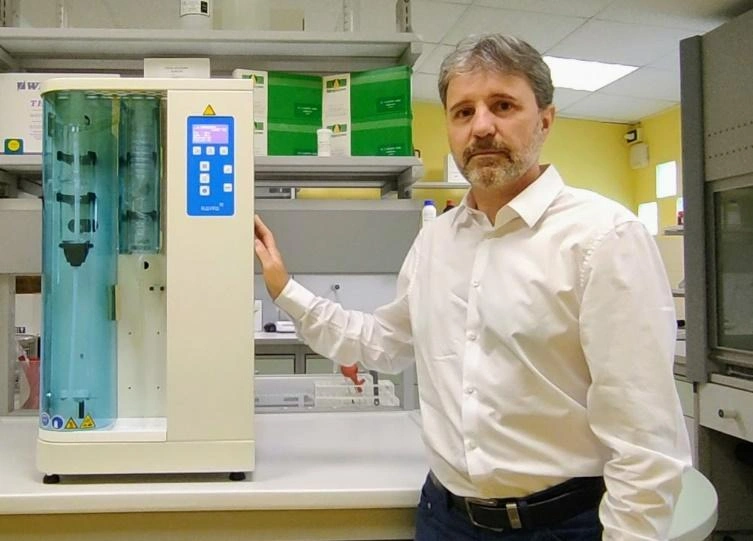
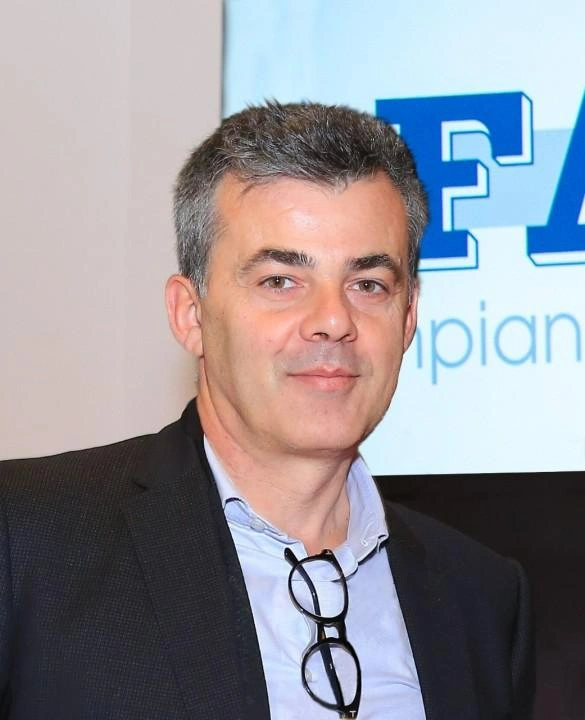
Headquartered in Cento, in the province of Ferrara, Fava S.p.A. is a world leader in technologies for both artisanal and industrial pasta, dry and fresh, with production lines operating across the MENA region (Middle East and North Africa), North America, Northern Europe, and the Far East. To learn more about the company, we had a brief conversation with its Technical and Research Director, Renato Dall’Agata. Here’s what he shared with us.
.
The conversation
Fava has been operating since the 1930s and has a strong international focus. What are your main strengths?
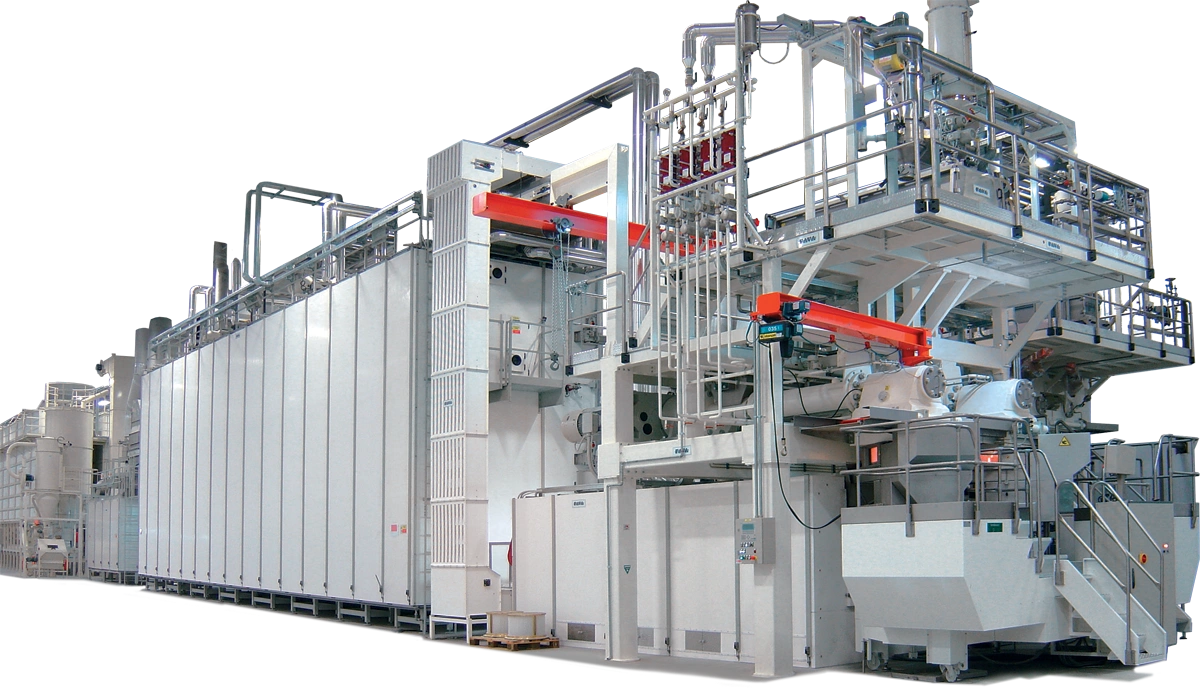
That’s right — Fava has been in the market for eighty‑six years. The company was founded in 1937 by Augusto Fava, who designed and patented the first automatic machines for the pasta industry. Since then, it has consistently maintained its leadership position, serving the global market with the most advanced techniques and technologies available. Today, it holds the largest market share: nearly 40% of all pasta‑making machines and production lines sold worldwide are manufactured by us.
Fava is a family‑owned business, now in its third generation, specializing exclusively in pasta technologies. This is all we do, and we believe it is our true strength: our passion for the product and, above all, for our craft. We also provide turnkey solutions — including plant engineering — for both industrial and artisanal pasta production. Everything is made in Italy. We export 90% of what we produce and place great emphasis on product and service quality, as well as on continuous innovation driven by the needs of today’s and tomorrow’s markets.
What does innovation mean to you?
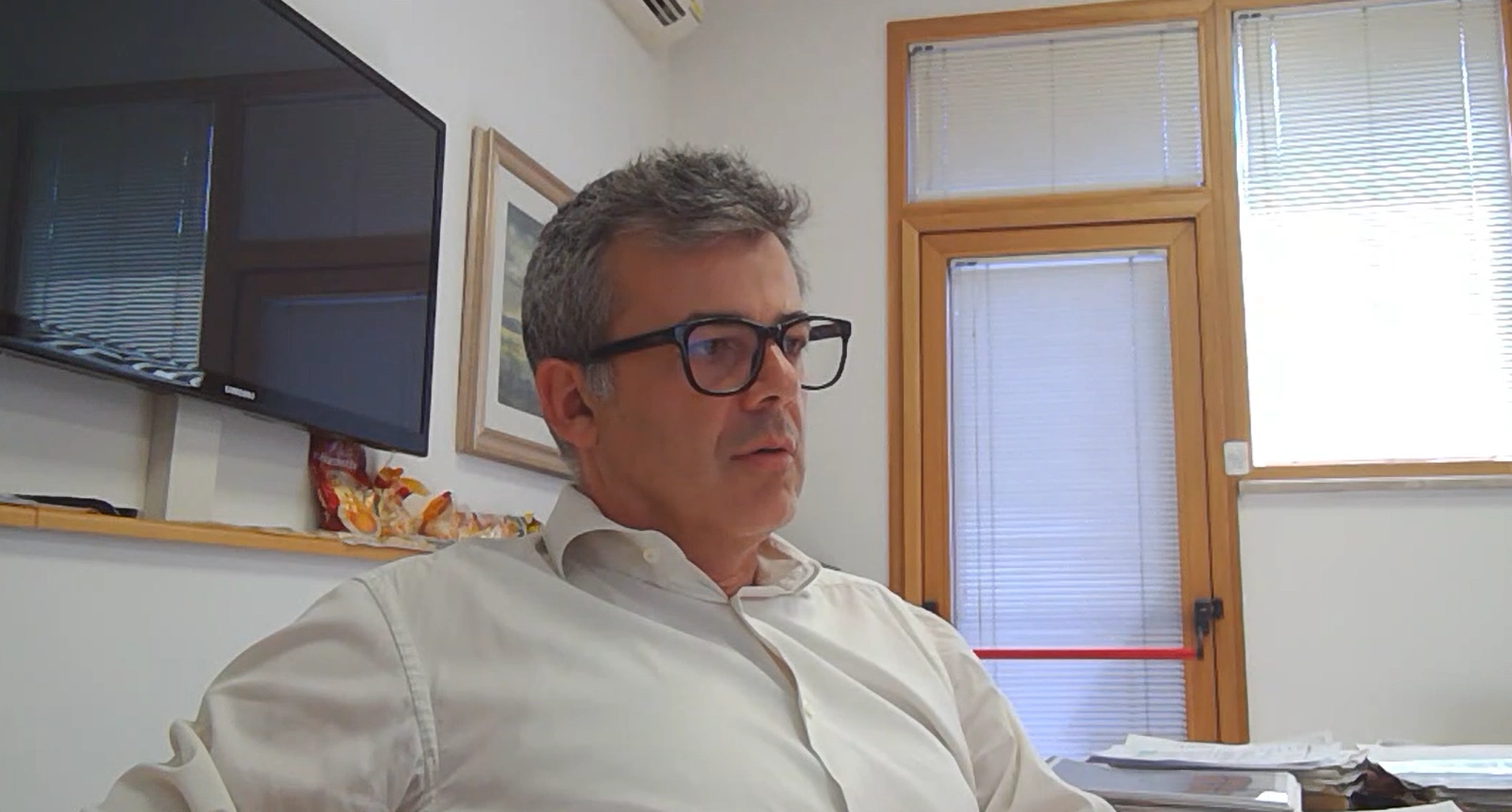
In the words of our chairman, it means always staying one step ahead of the competition. We must consistently be ahead in terms of technological added value and quality, so that we can produce the best possible pasta from any available raw material.
For me, innovation also means responding to market needs, which are increasingly oriented toward economic and environmental sustainability, and helping to meet the growing global demand for food driven, as we know, by population growth. According to UN estimates, the world population will reach nearly ten billion by 2050. This means that everyone must do their part, and at Fava we strive to contribute by developing technologies capable of using unconventional and locally sourced raw materials.
What do you mean by unconventional raw materials?
Raw materials that differ from those commonly used in the West, such as buckwheat, sorghum, corn, and so on — ingredients that are widespread in regions of the world experiencing strong demographic growth, such as sub‑Saharan Africa or South America. With its pasta technologies, Fava helps meet the demand for healthy, high‑quality, and affordable products.
.
.
.
.
There is a lot of talk today about AR, AI, and IoT. Is Industry 4.0 also on the horizon for Fava?
We were among the first in our sector to embrace IoT. Five years ago, we also began collaborating with the Department of Computer Science at the University of Bologna, and since then we have involved several specialist partners from different fields; for the sensor‑related aspects, for example, we have worked with suppliers such as Eoptis. Today, we have six applications running at six different customers that use the IoT system developed by Fava, equipped with algorithms for predictive quality control and predictive maintenance of the most critical components. By quality, I mean the ability to detect deviations in key variables such as humidity, product colour, or product defects, and to support the operator in anticipating and resolving potential issues — thereby reducing waste — while maintaining consistent quality standards.
.
We have built a network that enables us to continue developing these solutions and raising the level of our services, with the long‑term goal of achieving systems advanced enough to allow fully autonomous machine management.
How did the collaboration with Eoptis begin?
As part of the development of our IoT system, one of the first variables we focused on was color — specifically the color of the raw material. We wanted it to be measured continuously, efficiently, and according to the standard Cielab color values, to ensure reliable results. That was our starting point, but not the only one. We soon realized that we also needed to act as a specialist provider of methods and tools for the laboratories of customers who are starting from scratch and need to build a quality lab — and, above all, acquire the knowledge required to measure the quality of raw materials. We supply tools to support them, and together with Eoptis we have developed both benchtop and in‑line colorimeters. We have also purchased a couple of their colorimeters for our own laboratory. In addition, we have Eoptis colorimeters installed on our quality‑control lines, at the point where the raw material enters the process.

Are you satisfied with your collaboration with Eoptis?
Yes, absolutely — also because Eoptis has been highly willing to customize the application from the very beginning. This was essential for two reasons: first, to ensure a continuous product flow without stagnation, which is necessary for accurate readings; and second, because the data management system needs to interface with our local platform. In other words, we didn’t just take the tool as it was. Another challenge we had to address was the specific calibrations required for the raw material. Here too, we found full cooperation, which led to a high‑quality partnership focused on developing new applications. These applications add value at the laboratory level by speeding up data usability, and at the continuous‑production level by improving data reliability — which ultimately results in precise and actionable service feedback.
.
.
.
.
.
.

.
.
.
.
.
.
.
.
.
.
.