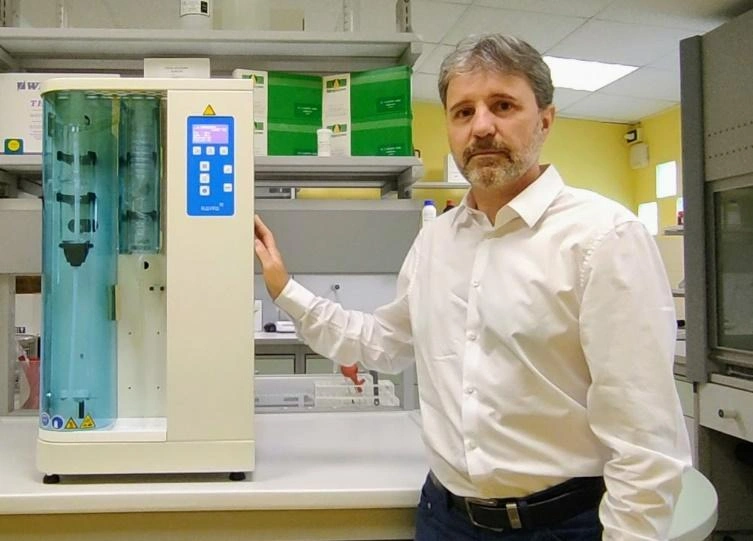

The Consortium for the Protection of the Piedmontese Breed certifies the meat of 20,000 cattle every year — and Eoptis is proud to play its part
Since 1984, the Consortium for the Protection of the Piedmontese Breed (Coalvi) has certified the meat of 20,000 cattle each year, guaranteeing product origin for the 280 Coalvi‑affiliated butcher shops across Italy. The Consortium was the first organization to develop voluntary labeling standards exclusively for the Piedmontese breed — an exceptionally lean meat with distinctive organoleptic qualities (including a low cholesterol content), appreciated by both chefs and consumers.
Eoptis is one of Coalvi’s partners: the Consortium uses the CLM‑194 colorimeter from the Trentino‑based tech company to precisely measure the color of a specific type of meat, Coalvi Rosé. The details are explained by Enrico Ottino, an agronomist specializing in animal husbandry, who has been with Coalvi since 2016.
The conversation
First of all, what is Coalvi and what are its strengths?
Coalvi is a consortium primarily dedicated to certifying and promoting beef from the Piedmontese breed (it was the first consortium in Italy to do so). But certification is only the starting point: the real work lies in enhancing the value of the meat throughout the entire supply chain. And because Coalvi meat is certified, we are able to provide additional information beyond what consumer‑protection regulations require.
Ours is a rather unique consortium. It brings together more than 1,300 farms across Italy, over 90% of which are located in Piedmont. However, our work goes far beyond certification and promotion. Over the years, the Consortium has expanded into other areas as well, particularly technical assistance — supporting farms in optimizing and improving beef production.
What is your role at Coalvi?
I mainly provide technical support to farms, focusing on nutrition and on introducing innovative technologies for monitoring animal health. For about a year and a half, we’ve been developing a new product we call Coalvi Rosé. And this is precisely why our collaboration with Eoptis began: we needed a tool capable of classifying this type of meat — obtained from young animals — by measuring its color.
Why?
Because color is what allows us to distinguish a cut from a calf from one coming from a traditional young bull, or even from an adult animal. The lightness of the meat is a key differentiating factor, and the Eoptis colorimeter is extremely useful for this purpose.
.
.
.
.
.
.
.
.
.
.
.
.
.
.
.
.
.
.
How important is innovation to you?
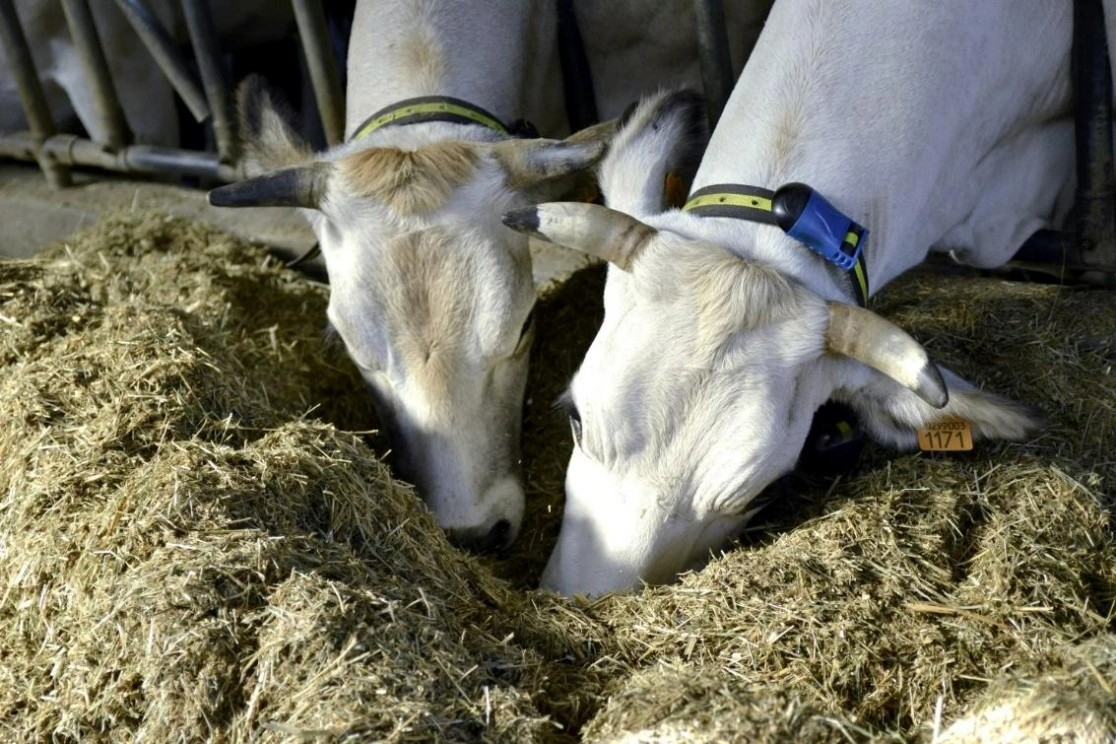
Innovation is essential — starting right from the earliest stage, on the farm. We were the first to use monitoring tools on Piedmontese cattle, and I can even say that the Piedmontese breed is now the most closely monitored, thanks also to our collaborations with world‑class partners. The project we are developing with Eoptis on Coalvi Rosé is another example of innovation: it’s a product with ancient origins, traditionally produced in the Canavese area, which we are now re‑evaluating and presenting in a more modern way than in the past. In short, innovation is what allows us to guarantee the highest possible quality.
.
.
How did your collaboration with Eoptis begin and develop?
The need for a tool — a colorimeter — emerged while we were working on Coalvi Rosé. I came across Eoptis while searching online for a colorimeter specialist, and when I reached out to them, I immediately found them attentive and very willing to help.
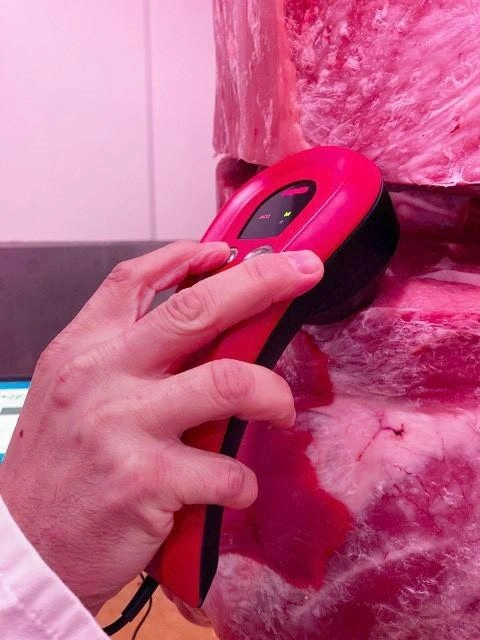
Eoptis is undoubtedly a very professional company and extremely easy to work with — something that is essential when choosing an instrument. With Eoptis, we know we can count on a reliable partner who understands how to communicate with a company like ours. After using the device for a few months, we asked Eoptis for a software customization, and they delivered exactly what we needed in a short time.
What is your view on the results of this collaboration with Eoptis?
They have been very positive. The value provided by the colorimeter is essential for determining the final price to be paid to the farmer. Specifically, color is one of the two key parameters we use — the other being yield. You see, the end customer, meaning the butcher, expects the product’s color to be increasingly consistent. Our job is to ensure that the meat delivered to butcher shops shows as little color variation as possible from one batch to the next.
.
.