


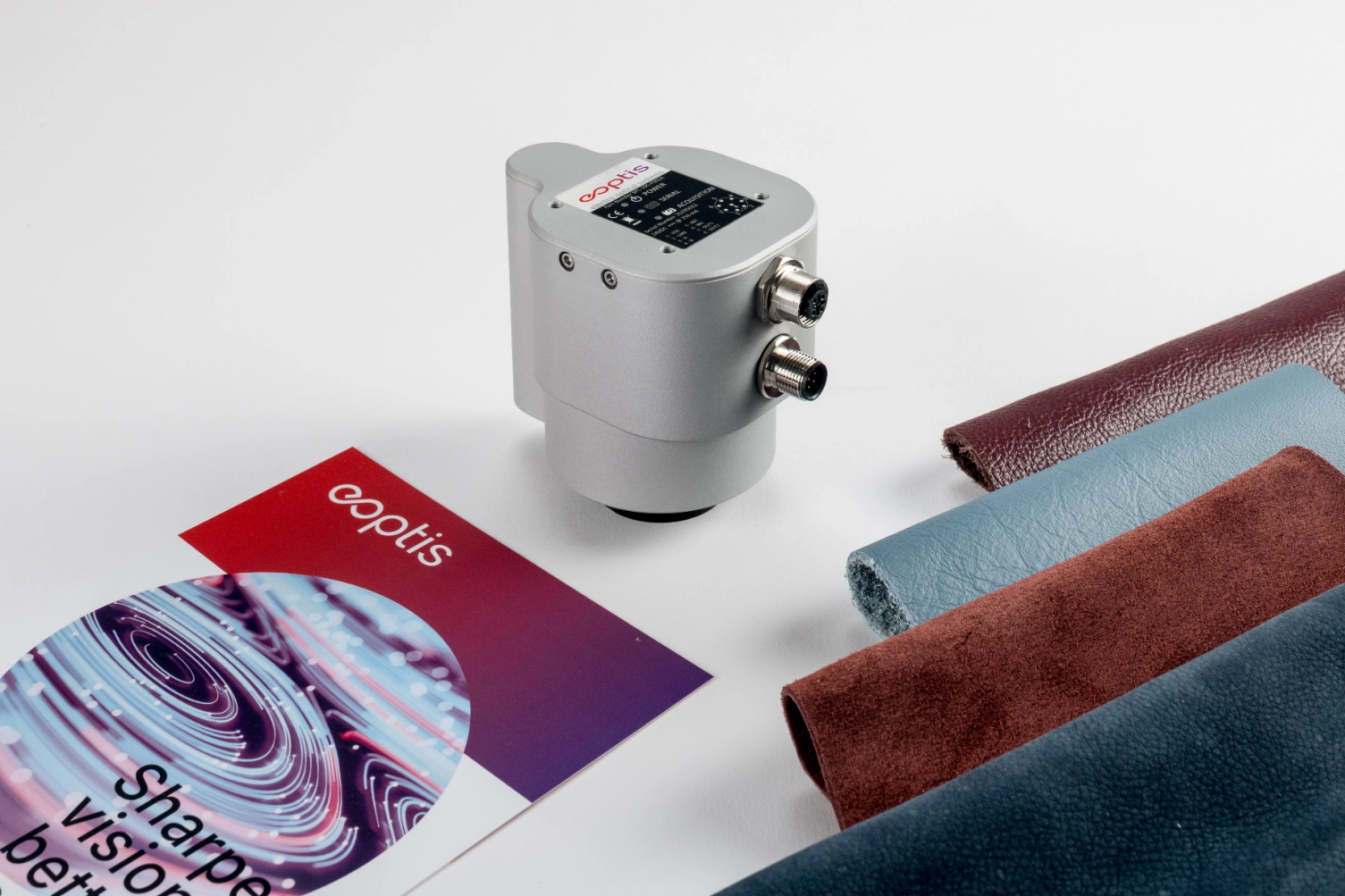
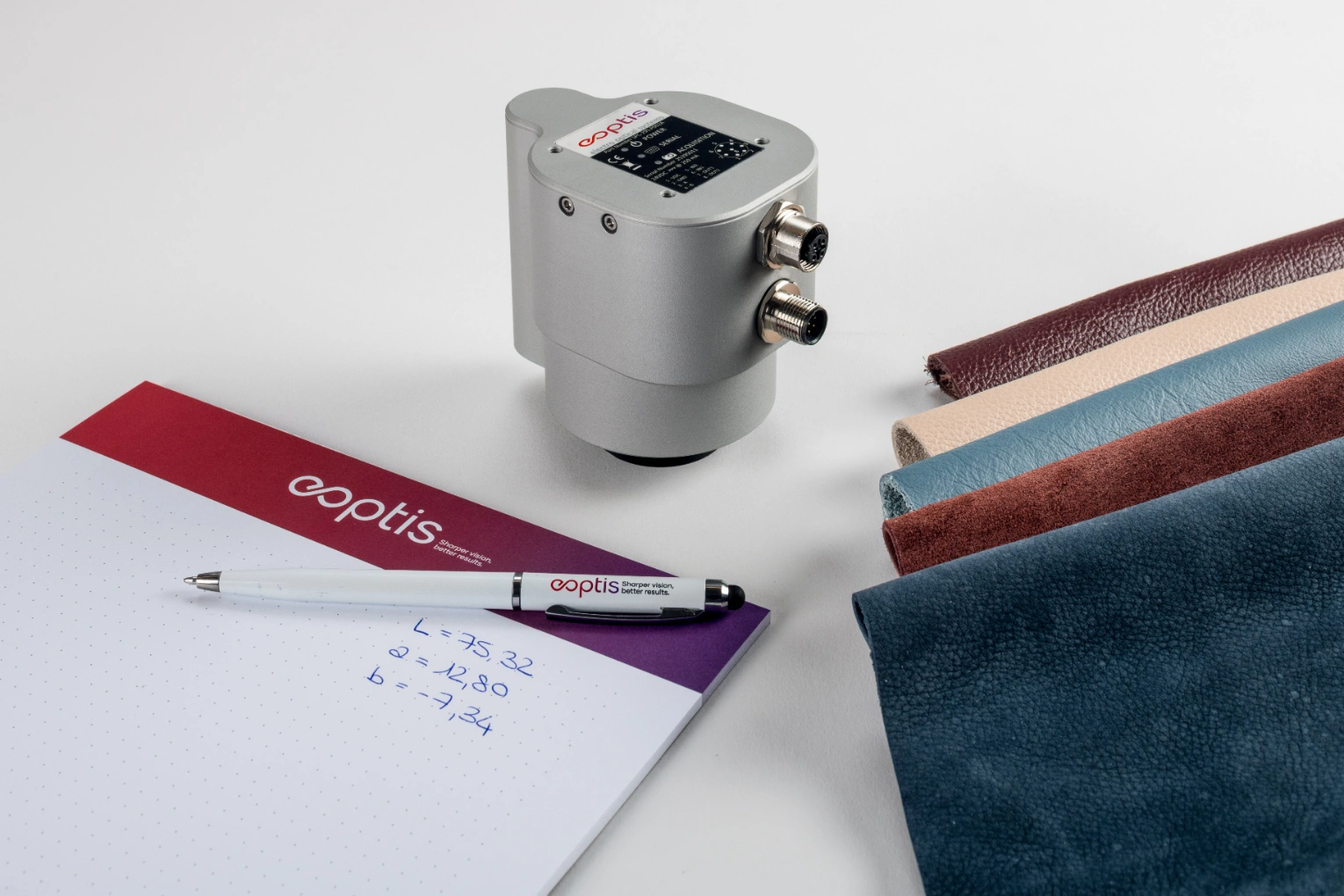




The instrument is equipped with an anodized aluminum case that offers a robust solution ideal for installation on production lines and in machines built by both large and small manufacturers.
Like other instruments in the Eoptis colorimeter range, the SPC-295 colorimeter can also provide accurate and repeatable information about the color of the inspected surface.
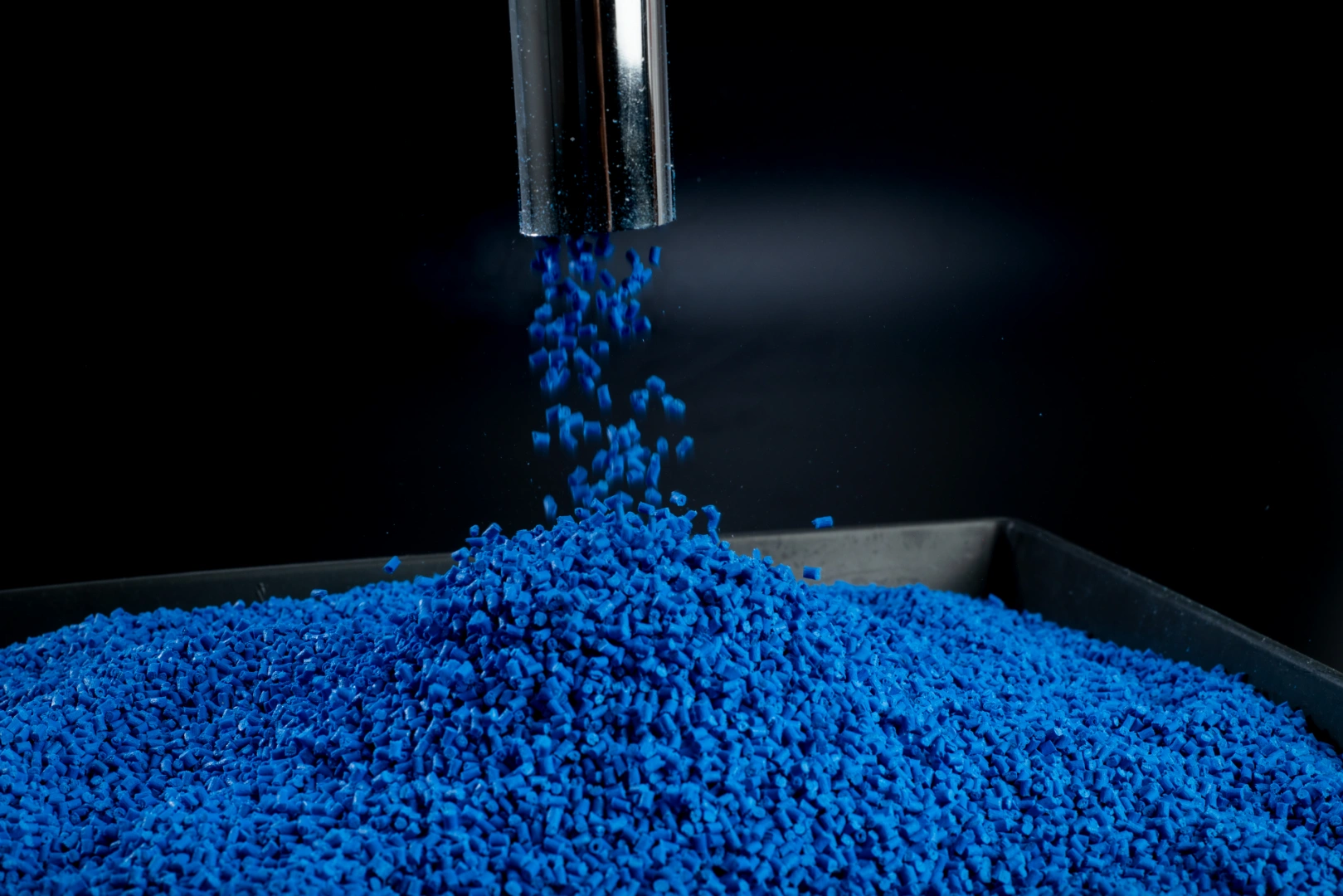
Thanks to the measurement geometry (45°c:0°) and the high uniformity of illumination ensured by the 6 high-power white LEDs integrated by Eoptis into the instrument, color measurements can be performed on a wide range of surface types (glossy and matte) and materials (solids, powders, liquids).
SPC-295 is a smart instrument: a preliminary analysis of the collected data (such as the most recent valid measurement or the moving average) can be performed directly onboard the device in order to provide instant pass/fail information, available through digital I/O activation. An infrared distance sensor allows the distance from the colorimeter to the material to be quantified and time-stamped with the color measurement; this enables data diagnostics and, if necessary, real‑time correction.
Measurements can be sent to a remote monitoring unit for more comprehensive data storage management (data logger functionality) and to enable the export of collected data for more in-depth analysis or report generation.
SPC-295 is the colorimetric choice of many production line manufacturers, as it enables:
- automation of colorimetric inspection,
- real-time production verification,
- standardization of quality control,
- full production control,
- saving time and resources over sample testing.
The product’s technical specifications are available in the SPC-295 technical data sheet.
The CLM195 Interface application software was developed by Eoptis to control the SPC-295 industrial colorimeter in order to meet the needs of many customers, bringing them together in a comprehensive and cost-effective product. Eoptis is deeply committed to improving the functionality of its products, and this software in particular.
Some types of control provided by the CLM195 Interface software include:
- product classification and sorting,
- detection of defective products,
- assessment of material homogeneity – and its tendency to vary over time.
